No products added!
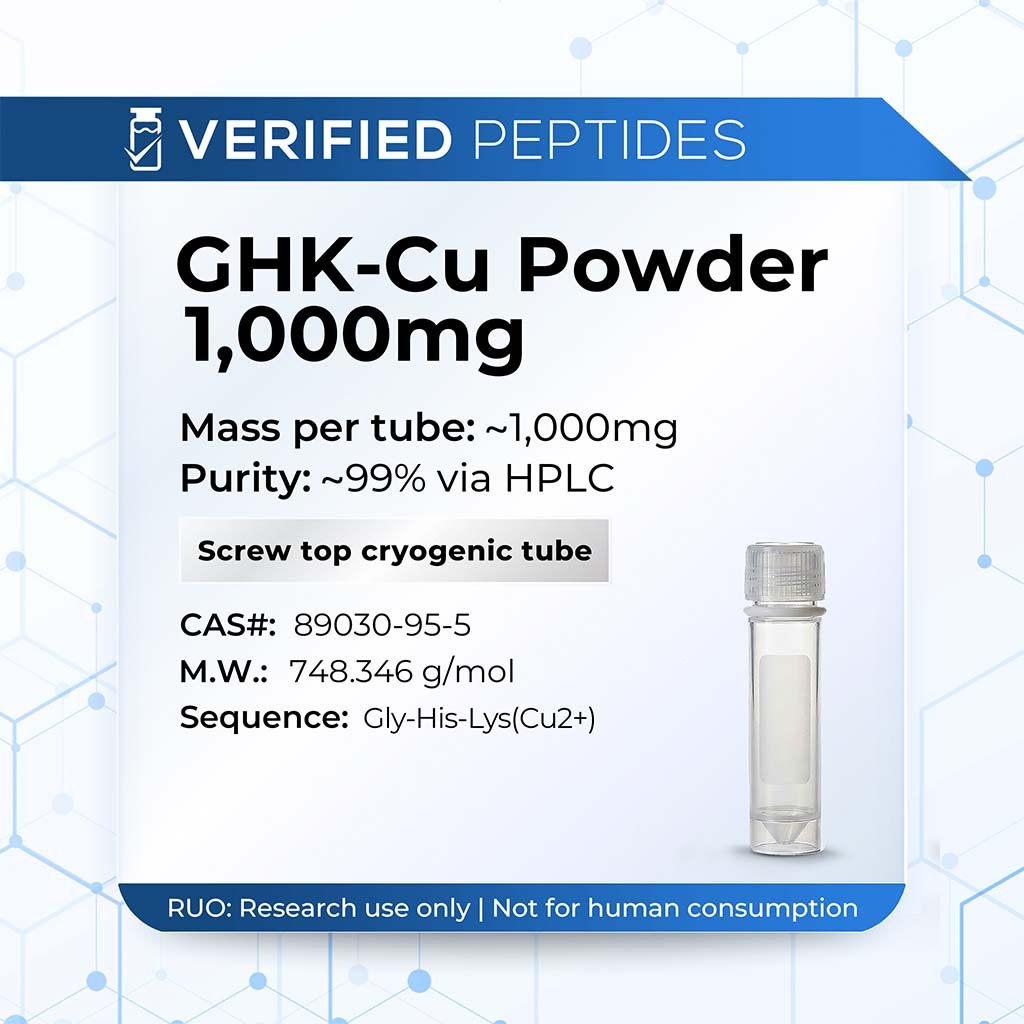
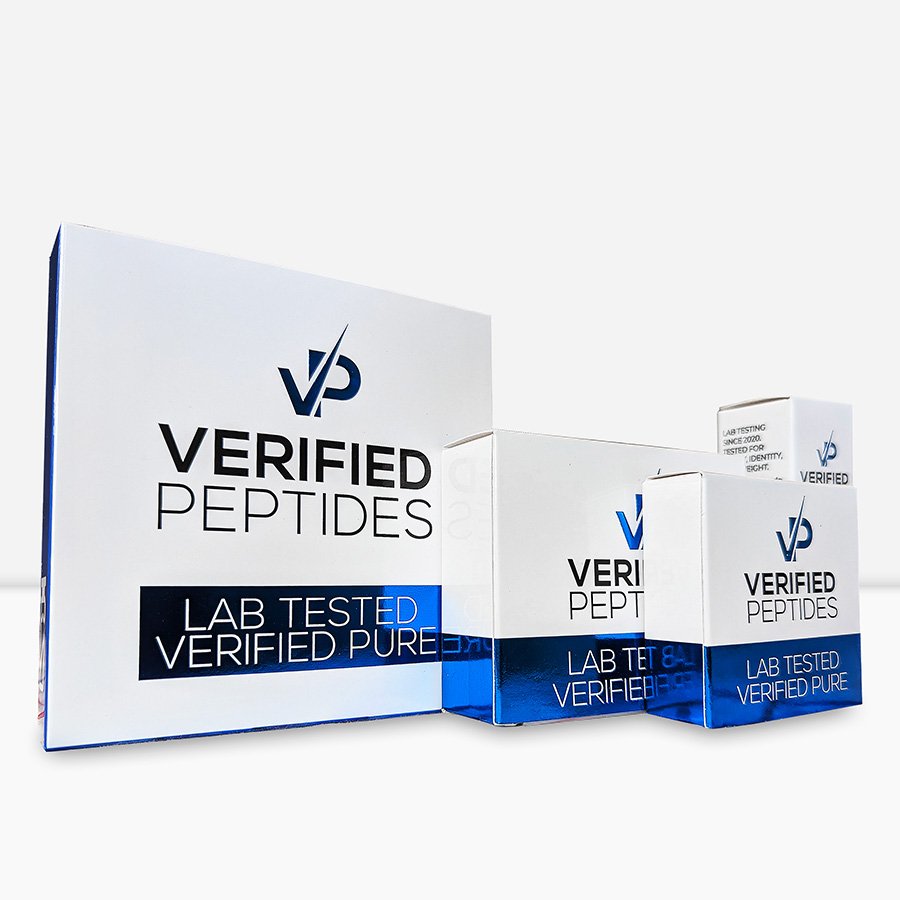
Powder: GHK-Cu 1000MG
Original price was: $55.00.$33.00Current price is: $33.00.
- Order in the next to get it by September 28, 2026
- Real Time 262 Visitors Right Now
- Spend $500.00 to get Free Shipping
Description
GHK-Cu 1000MG
GHK-Cu is a naturally occurring copper-binding tripeptide complex that has become one of the most extensively discussed copper peptides in cosmetic science, peptide chemistry and biological research.
Known as glycyl-L-histidyl-L-lysine copper complex, GHK-Cu combines the short peptide GHK with copper ions to create a biologically interesting molecular complex. Research has examined its relationship with extracellular-matrix processes, cellular signaling, tissue biology and skin-related molecular pathways.
At Peptanovia, GHK-Cu 1000MG is positioned as a research-grade copper peptide material for qualified laboratories, cosmetic formulation researchers, biotechnology organizations, peptide scientists and other legitimate research applications.
To explore additional research peptide products, visit the Peptanovia homepage.
What Is GHK-Cu?
GHK-Cu refers to the copper complex of glycyl-L-histidyl-L-lysine, commonly abbreviated as GHK.
The GHK peptide itself consists of three amino acids:
Glycine – Histidine – Lysine
Its ability to bind copper is a defining characteristic of the molecule. The resulting copper-peptide complex has been investigated across multiple areas of biological and cosmetic research.
Unlike an ordinary peptide, GHK-Cu provides researchers with an opportunity to study both peptide signaling and metal-binding chemistry within the same molecular system.
This makes GHK-Cu particularly interesting for laboratories studying peptide structure, copper interactions, extracellular-matrix biology and cellular responses.
GHK-Cu 1000MG Product Details
Product: GHK-Cu
Quantity: 1000MG
Category: Research-grade copper peptide
Peptide: Glycyl-L-histidyl-L-lysine
Complex: Copper-peptide complex
Primary research areas: Peptide chemistry, cellular biology, extracellular-matrix research, cosmetic science and formulation research
Intended use: Laboratory and scientific research
Quantity format: 1000MG
The 1000MG specification refers to the stated quantity of material supplied. It should not be interpreted as a dosage, recommended intake or clinical administration amount.
Researchers should confirm the exact product specification, formulation, purity and copper content using the documentation supplied for the individual batch.
GHK-Cu and Copper Peptide Research
Copper peptides occupy an interesting position within peptide science because copper ions can participate in numerous biochemical processes.
GHK has a strong affinity for copper, and researchers have investigated how the copper-bound form differs from the unbound peptide.
Research areas surrounding GHK-Cu include:
- Copper-peptide chemistry
- Peptide-metal interactions
- Cellular signaling
- Extracellular-matrix biology
- Skin biology
- Wound-healing research
- Oxidative-stress research
- Gene-expression studies
- Cosmetic formulation science
- Tissue biology
The diversity of these research areas has helped make GHK-Cu one of the better-known compounds in cosmetic peptide research.
GHK-Cu for Cellular Research
GHK-Cu has been investigated in cellular and molecular research involving processes associated with tissue structure and cellular communication.
Researchers can use experimental models to examine how GHK-Cu interacts with cells and whether its presence influences specific molecular pathways.
Such studies can include investigations into:
Cell signaling: Examining cellular responses to copper-peptide exposure.
Extracellular matrix: Investigating pathways involving structural proteins and matrix-related processes.
Gene expression: Exploring changes in gene-expression patterns under controlled experimental conditions.
Oxidative stress: Studying the relationship between copper-peptide chemistry and oxidative cellular environments.
Cellular repair pathways: Investigating biological processes associated with tissue maintenance and cellular recovery.
These areas remain active subjects of research and should not be interpreted as evidence of a clinically established therapeutic effect.
GHK-Cu and Extracellular-Matrix Research
One of the major areas of interest surrounding GHK-Cu is extracellular-matrix biology.
The extracellular matrix is a complex network surrounding cells that contributes to tissue structure, organization and signaling.
Researchers have investigated GHK-Cu in relation to pathways involving extracellular-matrix components and tissue remodeling.
This has also contributed to the popularity of GHK-Cu in cosmetic ingredient research, where peptide-based approaches to skin science have received significant attention.
GHK-Cu in Cosmetic Research
GHK-Cu has become a prominent ingredient in cosmetic peptide research because of its association with skin-related biological pathways.
Cosmetic scientists may investigate GHK-Cu when developing or evaluating formulations containing copper peptides.
Research can examine:
- Ingredient stability
- Peptide compatibility
- Copper-peptide behavior
- Formulation pH
- Solubility
- Ingredient interactions
- Delivery systems
- Packaging stability
- Storage conditions
- Long-term formulation performance
The behavior of GHK-Cu in a finished formulation can vary depending on the formulation system, concentration, pH, other ingredients and environmental conditions.
Why GHK-Cu Is Interesting to Peptide Researchers
GHK-Cu provides researchers with a useful example of how peptide chemistry and metal coordination can intersect.
The GHK sequence is small, yet its ability to bind copper creates a substantially different research material from the uncomplexed peptide.
This allows researchers to investigate questions such as:
- How does copper binding influence peptide behavior?
- How stable is the copper-peptide complex under different conditions?
- How does the complex behave in different formulation environments?
- What molecular interactions occur between GHK-Cu and biological systems?
- How does copper availability affect experimental outcomes?
These questions make GHK-Cu relevant to both fundamental peptide research and applied cosmetic science.
Research Grade GHK-Cu
For professional research applications, the name of the compound alone is not enough.
Laboratories should look for appropriate analytical and quality information accompanying the material.
Depending on the intended application, useful documentation may include:
- Exact compound identity
- Peptide sequence
- Copper complex identification
- Molecular weight
- Purity specification
- Copper content
- Batch or lot number
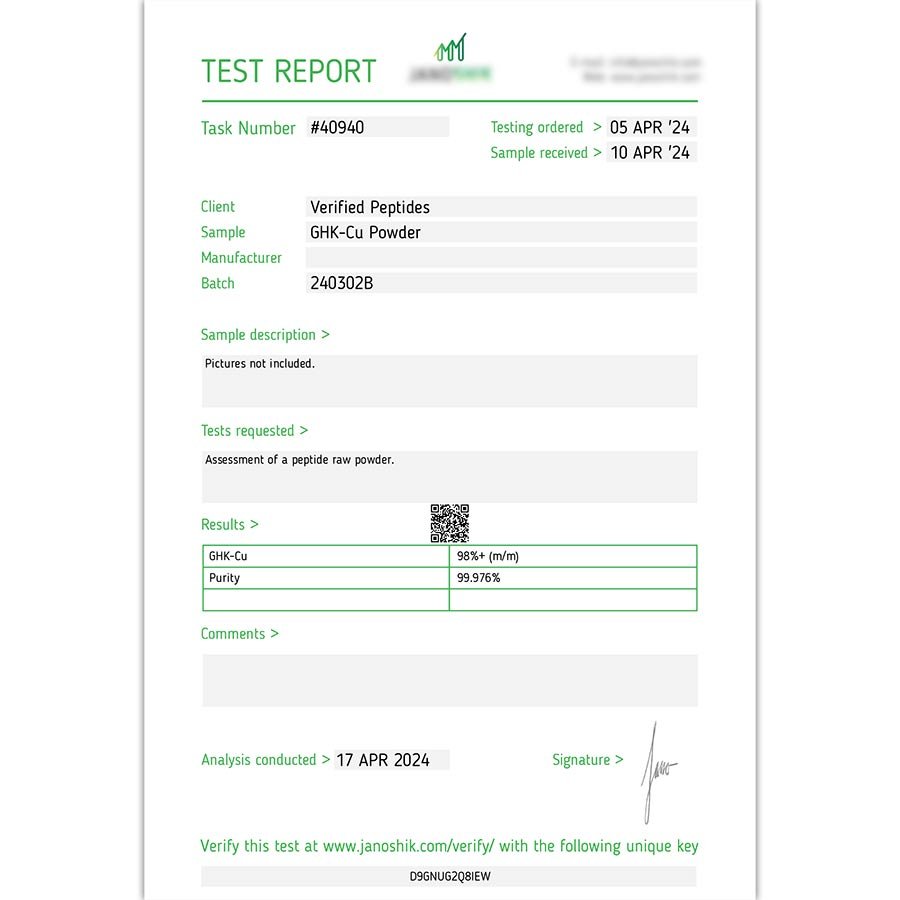
- HPLC results
- Mass spectrometry
- Certificate of Analysis
- Appearance
- Storage conditions
- Handling information
- Manufacturing specifications
Lot-specific analytical documentation can be particularly valuable for research teams performing reproducible experiments.
Why Purity Matters for GHK-Cu Research
GHK-Cu research can be sensitive to the exact composition of the material being tested.
Uncharacterized impurities or variations in copper content can introduce additional variables into an experiment.
For that reason, researchers should evaluate the analytical documentation associated with the specific batch rather than relying only on a general product description.
HPLC may be used as part of peptide purity assessment, while mass spectrometry can assist with identity confirmation. Additional analytical techniques may be appropriate depending on the laboratory’s research requirements.
GHK-Cu 1000MG for Laboratory Research
A 1000MG research quantity may be appropriate for laboratories conducting larger or longer-term experimental programs.
Potential research users include:
- Peptide research laboratories
- Cosmetic formulation companies
- Biotechnology organizations
- Academic institutions
- Molecular biology laboratories
- Skin biology researchers
- Cosmetic ingredient developers
- Analytical laboratories
- Contract research organizations
- Pharmaceutical R&D teams
Researchers should determine the appropriate quantity according to their validated experimental protocols and material requirements.
Bulk GHK-Cu Research Supply
For organizations running multiple experiments, bulk purchasing can help simplify procurement and provide sufficient material for continuing research programs.
Before ordering larger quantities, professional buyers should verify:
- Required purity
- Exact chemical identity
- Copper specification
- Batch documentation
- Certificate of Analysis
- Packaging
- Storage requirements
- Shipping conditions
- Lot traceability
- Internal quality-control requirements
This is particularly important when multiple experiments depend on consistent research material.
GHK-Cu and Skin Biology Research
GHK-Cu has received considerable attention in skin-related research because of its connection with extracellular-matrix biology and cellular processes.
Researchers investigating skin biology may use copper peptides as experimental materials when examining molecular pathways associated with tissue structure, cellular signaling and matrix-related activity.
However, experimental research should remain clearly separated from cosmetic marketing claims. Laboratory observations do not automatically establish that GHK-Cu produces a particular outcome in humans.
Choosing GHK-Cu for Research
When selecting GHK-Cu for a laboratory project, researchers should evaluate the material according to the specific requirements of their study.
A professional purchasing checklist may include:
Identity: Is the material clearly identified as the intended GHK-Cu complex?
Purity: Is there a documented purity specification?
Copper content: Is the copper component appropriately characterized?
Quantity: Does the product contain the stated 1000MG?
Testing: Are appropriate analytical results available?
Traceability: Can the material be linked to a specific batch?
Storage: Are storage conditions clearly documented?
Documentation: Is a Certificate of Analysis available where applicable?
These factors help laboratories maintain consistency and reproducibility.
Research Use Only
GHK-Cu 1000MG described on this page is intended for research and laboratory applications.
It should not be represented as an FDA-approved medication, dietary supplement or established treatment for aging, skin disorders, wounds or other medical conditions.
The presence of published research concerning GHK-Cu does not establish that the compound is an approved human therapy. Researchers should distinguish between laboratory findings, preclinical observations and clinically established evidence.
All research should be conducted according to applicable regulations, institutional requirements and appropriate laboratory safety procedures.
Order GHK-Cu 1000MG for Research
GHK-Cu provides researchers with a distinctive model for studying copper-peptide chemistry, cellular signaling, extracellular-matrix biology and cosmetic formulation science.
For laboratories requiring a larger research quantity, the 1000MG format can provide sufficient material for ongoing experimental programs, provided that the product specifications match the laboratory’s requirements.
Researchers looking for GHK-Cu 1000MG, research-grade copper peptide or GHK-Cu bulk supply can explore the wider product range through the Peptanovia homepage.
Related products
-
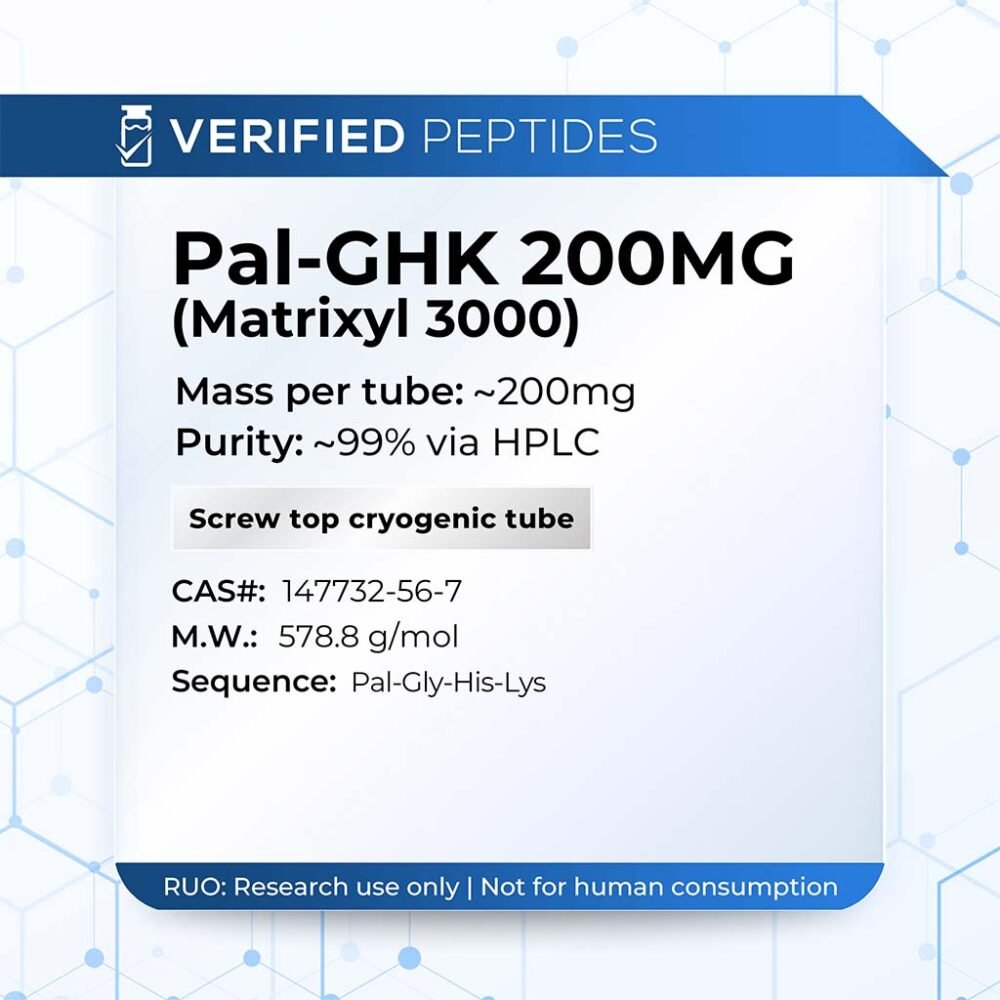 Price$99.00
 -
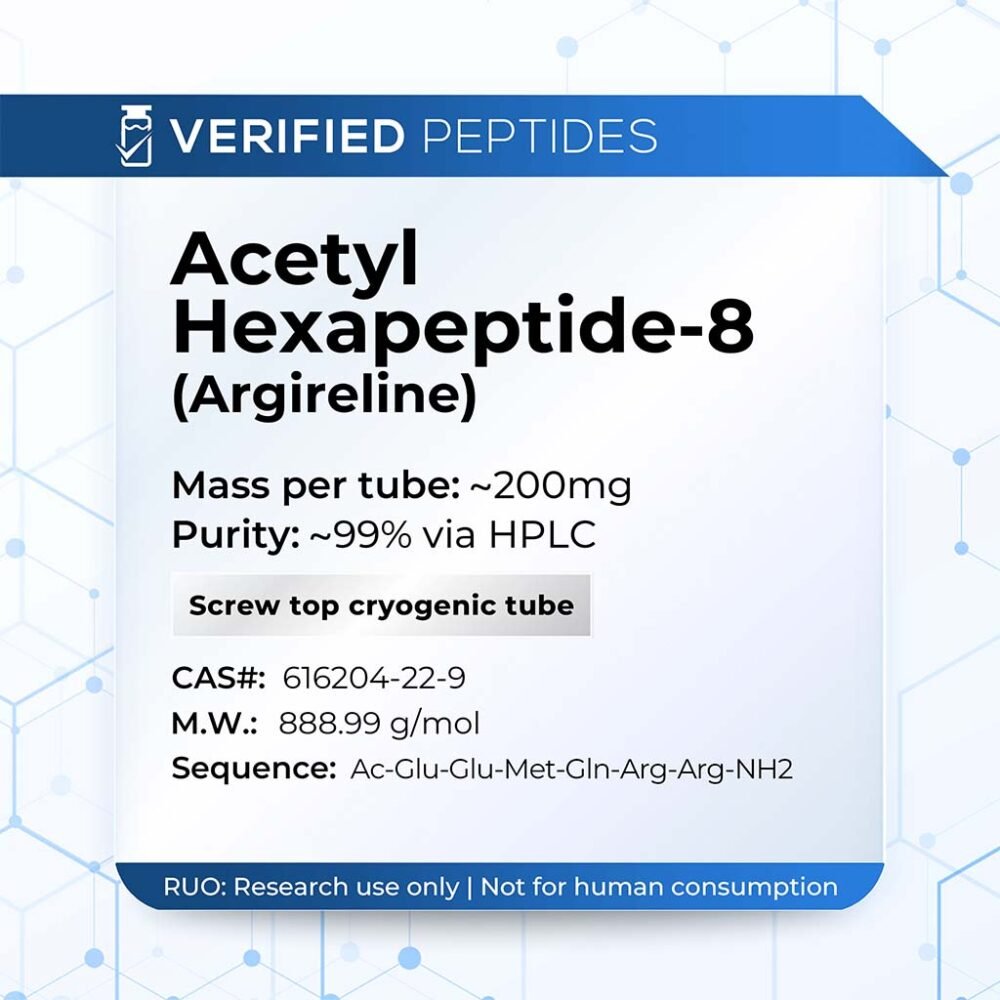 Price$99.00
 -
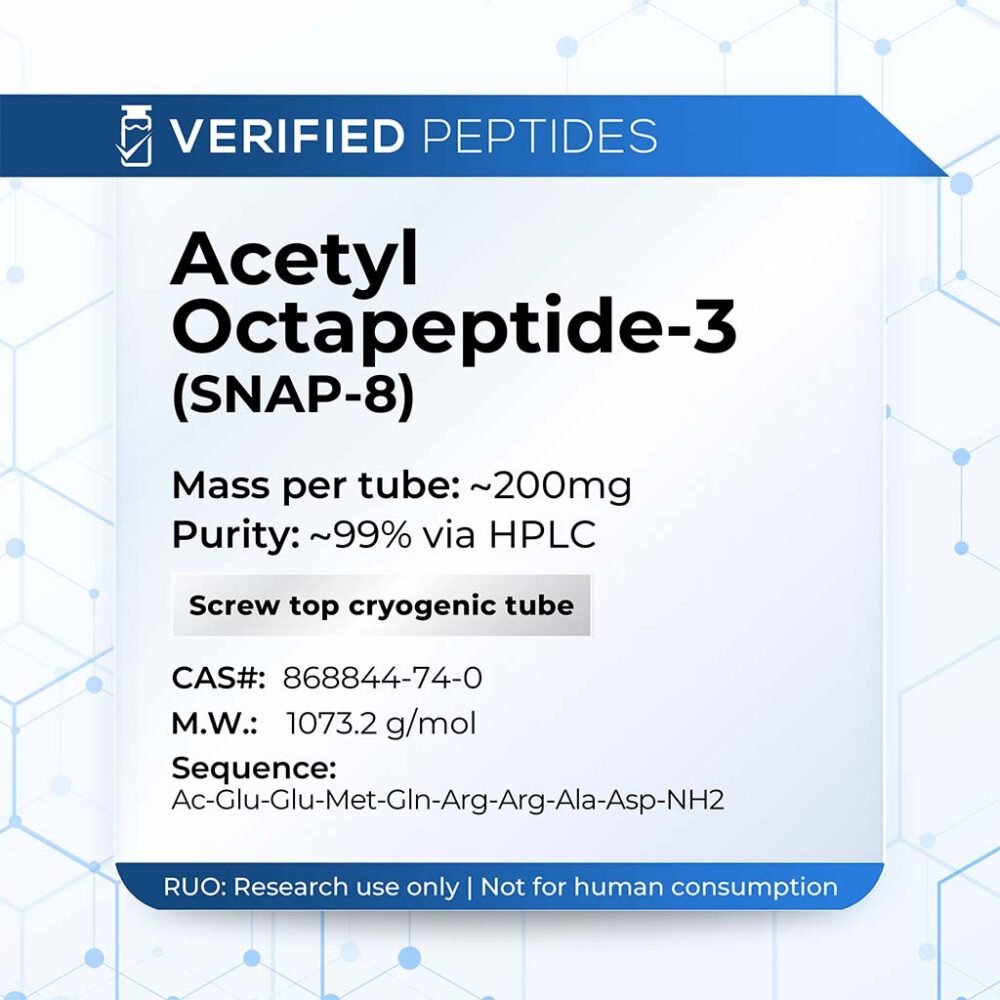 Price$126.00
 -
 Price$85.00
Reviews
There are no reviews yet.